Rear

Disc Brake Rotor
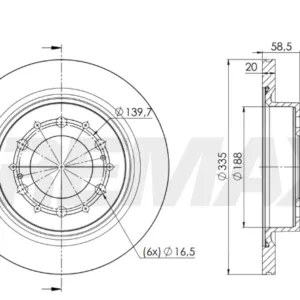
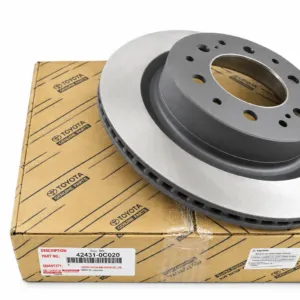
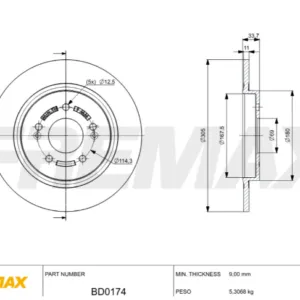
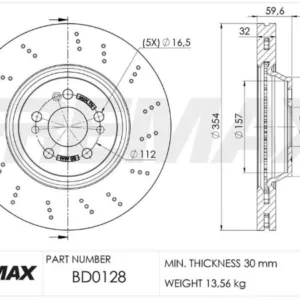
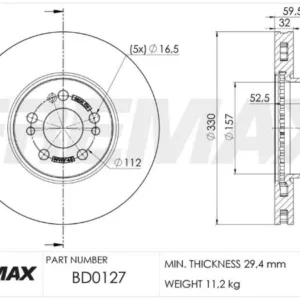
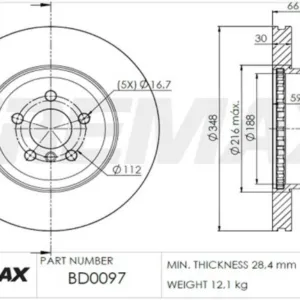
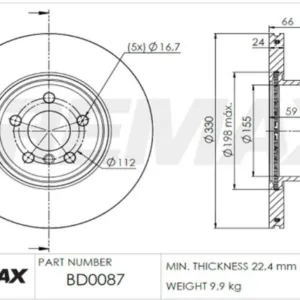
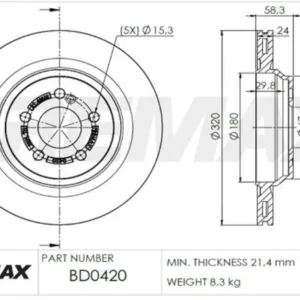
Brake rotors are the discs that the pads clamp to stop the wheel, and they absorb and shed a great deal of heat in the process. Every stop wears a little metal away, and over time rotors can wear below their minimum thickness, develop uneven thickness that you feel as a pulsing pedal, or become grooved and heat-checked. Our disc brake rotors come mainly from Fremax. The models with the most coverage are Mercedes-Benz, Honda, Mazda and BMW, with Audi, Nissan and Subaru close behind. When ordering, match the axle, the rotor diameter for your trim, and whether your car uses vented or solid rotors, and plan to replace them in pairs.
Right now we have 212 in stock from 2 brands.
Find Disc Brake Rotor for your vehicle
Only products on sale
Showing 1–24 of 212 resultsSorted by latest
-
Rear
-
Rear
-
Front
-
Rear
-
Front
-
Front
-
Front
-
Front
-
Rear
-
Rear
-
Front
-
Rear
-
Rear
-
Front
-
Rear
-
Front
-
Front
-
Front
-
Front
-
Front
-
Rear
-
Front
Shop Disc Brake Rotors by make
- Disc Brake Rotors for Mercedes-Benz 32
- Disc Brake Rotors for BMW 20
- Disc Brake Rotors for Honda 19
- Disc Brake Rotors for Mazda 19
- Disc Brake Rotors for Audi 16
- Disc Brake Rotors for Nissan 15
- Disc Brake Rotors for Subaru 14
- Disc Brake Rotors for Acura 13
- Disc Brake Rotors for Volkswagen 13
- Disc Brake Rotors for Toyota 10
- Disc Brake Rotors for INFINITI 10
Repair guides
Symptoms, causes and checks for these parts, from our repair guides.
- Secure checkoutTLS-encrypted · card details never stored here
- Free standard shippingLower 48 states · no minimum order
- 30-day returnsUnused parts in original packaging
- Manufacturer warranty1 year / 12,000 miles
We accept