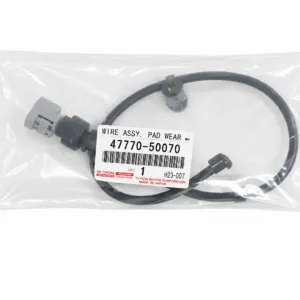
Front, Front Right

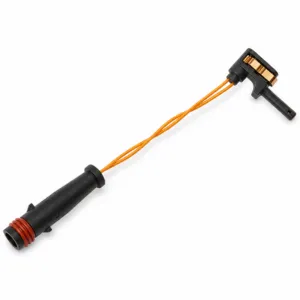
Disc Brake Pad Wear Sensor
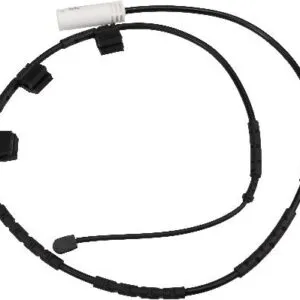
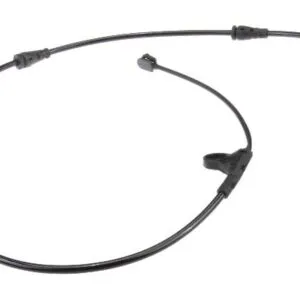
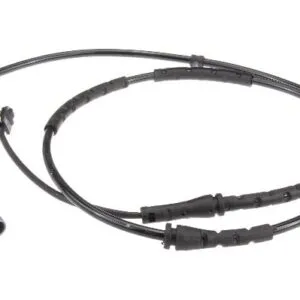
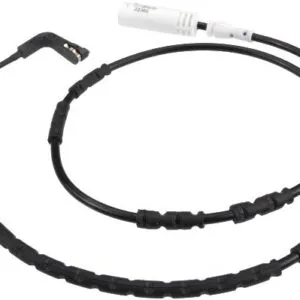
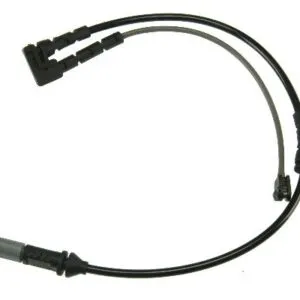
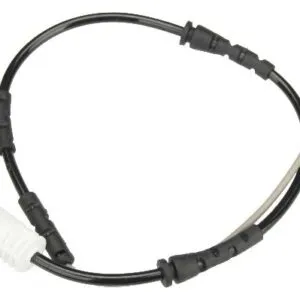
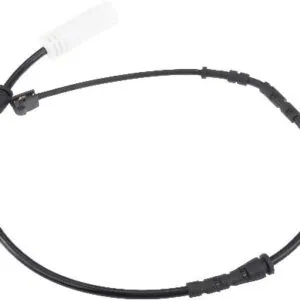
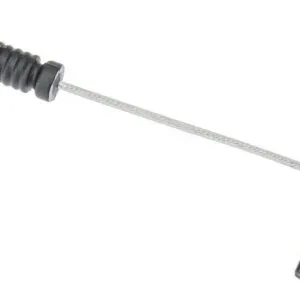
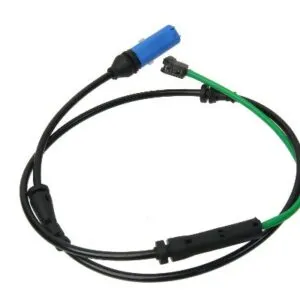
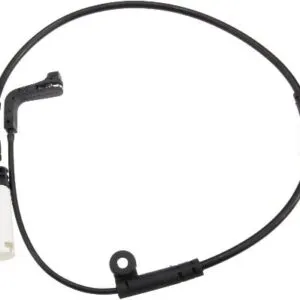
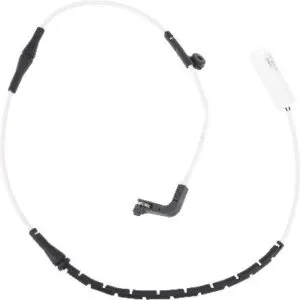
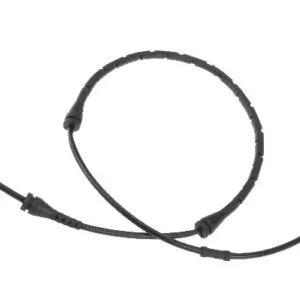
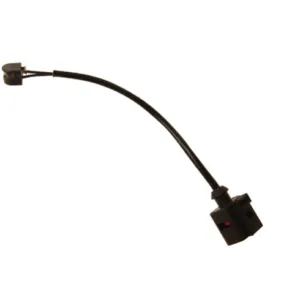
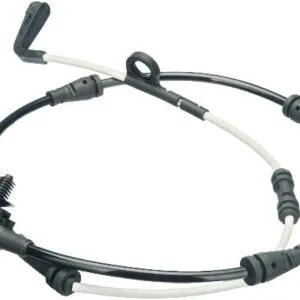
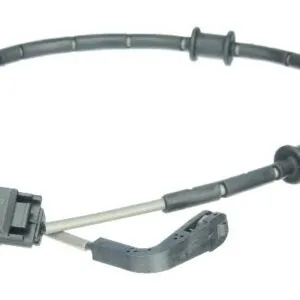
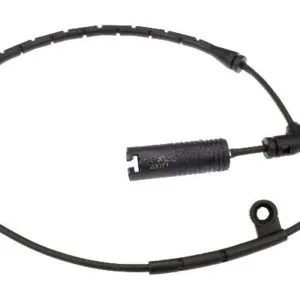
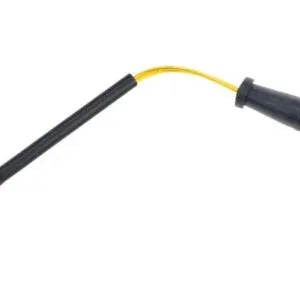
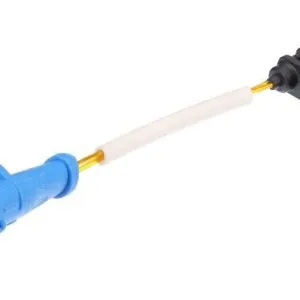
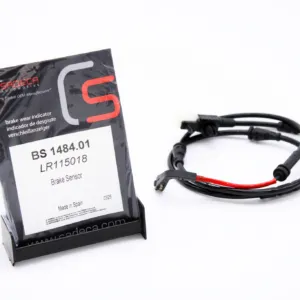
A disc brake pad wear sensor warns you before your pads wear down to the backing plate. It clips into the pad, and when the friction material wears to its limit the sensor’s contact touches the rotor; depending on the design, that either breaks an internal wire loop or completes a circuit, and the dash shows a brake-wear warning. Once a sensor has done that job it generally needs replacing. These sensors are most common on European cars, which shows in our stock: most of our sensors come from Sadeca, with BMW by far the most covered make, followed by Porsche, Audi, Land Rover, Mercedes-Benz and Mini. Before ordering, check the axle, wire length and connector so the new sensor reaches its mounting clips.
Right now we have 262 in stock from 6 brands.
Find Disc Brake Pad Wear Sensor for your vehicle
Only products on sale
Showing 1–24 of 263 resultsSorted by latest
-
Front, Front Right, Rear
-
Rear Right
-
Rear Right
-
Rear Right
-
Front Left
-
Rear Right
-
Rear Right
-
Rear
-
Front Left
-
Front Left
-
Front Left
-
Front Left, Front Right, Rear, Rear Left, Rear Right
-
Front Left
-
Front Left
-
Rear, Rear Right
-
Front, Front Left
-
Front
-
Rear
-
Front
-
Front
-
Front, Front Left, Front Right, Rear Right
-
Front Right, Rear Right
-
Front
Shop Disc Brake Pad Wear Sensors by make
- Disc Brake Pad Wear Sensors for BMW 105
- Disc Brake Pad Wear Sensors for Porsche 45
- Disc Brake Pad Wear Sensors for Audi 32
- Disc Brake Pad Wear Sensors for Land Rover 28
- Disc Brake Pad Wear Sensors for Mercedes-Benz 25
- Disc Brake Pad Wear Sensors for Mini 18
- Disc Brake Pad Wear Sensors for Jaguar 16
- Disc Brake Pad Wear Sensors for Volkswagen 14
- Disc Brake Pad Wear Sensors for Lexus 12
Repair guides
Symptoms, causes and checks for these parts, from our repair guides.
- Secure checkoutTLS-encrypted · card details never stored here
- Free standard shippingLower 48 states · no minimum order
- 30-day returnsUnused parts in original packaging
- Manufacturer warranty1 year / 12,000 miles
We accept