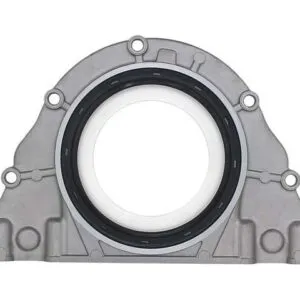
Rear

Engine Crankshaft Seal
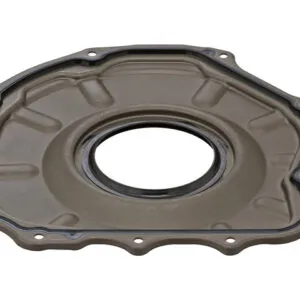
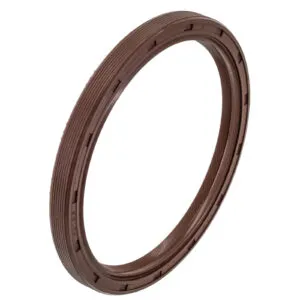
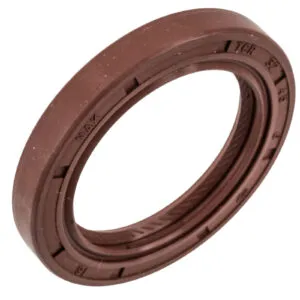
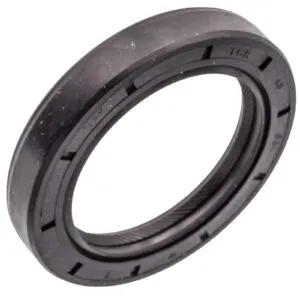
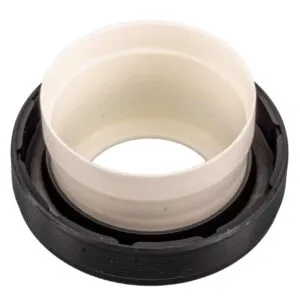
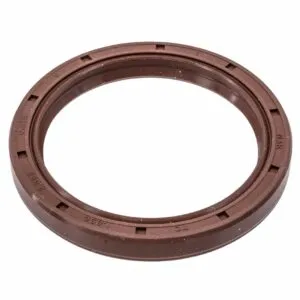
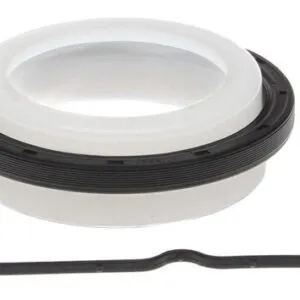
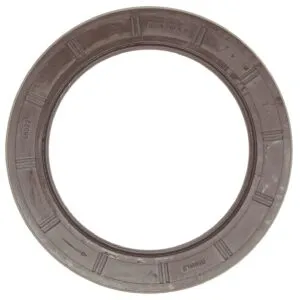
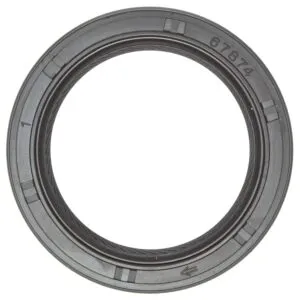
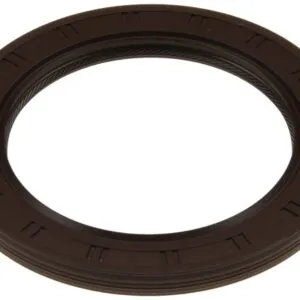
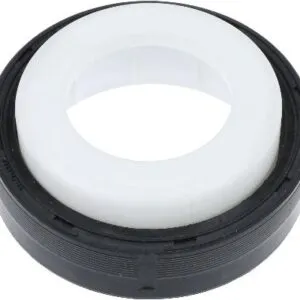
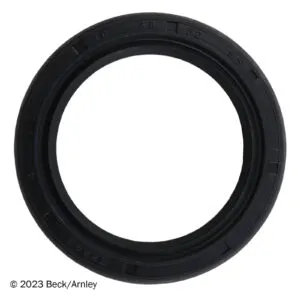
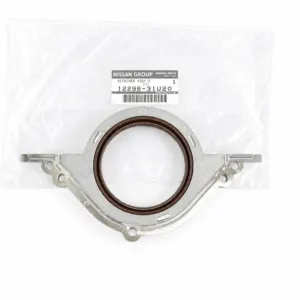
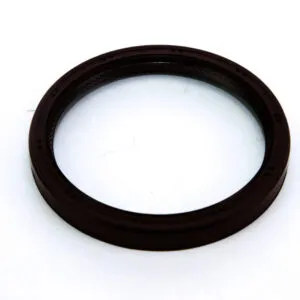
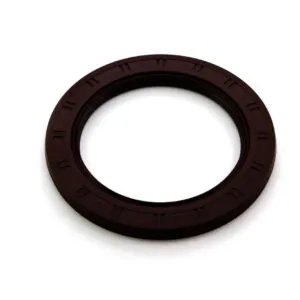
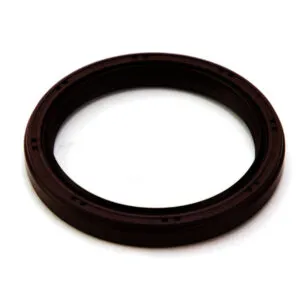
An engine crankshaft seal is a lip seal pressed into the timing cover or rear seal housing where the crankshaft passes through, keeping oil in and dirt out. The front seal sits behind the crank pulley; the rear main seal sits behind the flywheel or flexplate. With heat and time the lip hardens and loses contact with the shaft, and a groove worn into the crank or high crankcase pressure can make leaks worse. When buying, match the position, diameter and seal material; some rear seals come pre-mounted in a carrier. We stock engine crankshaft seals, most from Corteco, along with Power Train, MAHLE and others, covering BMW, Volkswagen, Audi, Nissan and Toyota.
Right now we have 40 in stock from 7 brands.
Find Engine Crankshaft Seal for your vehicle
Only products on sale
Showing 1–24 of 40 resultsSorted by latest
-
Rear
-
Rear
-
Front
-
Rear
-
Front
-
Rear
-
Front
-
Rear
-
Rear
-
Front
-
Front
-
Rear
-
Front
-
Front, Rear
-
Rear
- Secure checkoutTLS-encrypted · card details never stored here
- Free standard shippingLower 48 states · no minimum order
- 30-day returnsUnused parts in original packaging
- Manufacturer warranty1 year / 12,000 miles
We accept